

THE TOP TEN VIDEO GAMES… of MMXXIV represent a brief respite from the mediocrity of the artform, a handful of substantive (or just plain fun experiences) within an ocean of exploitative horseshit. Before we get to the best, the Worst Disappointments of the year alongside the Best Remakes and Remasters might account for some games I’d played but didn’t end up ranking. Otherwise once the Top Ten shows up it only features games I’ve completed at least once and doesn’t include multi-player only or massively online games
The most DISAPPOINTING games of the year:
[1] Elden Ring: Shadow of the Erdtree was fun, don’t get me wrong, but what it adds to an already enormous game is a lot of meandering adventure, oversized areas which rarely offer the player much to do beyond collect a random referential weapon or crafting material. For every ingenious idea they’d offered within this huge, very expensive add-on for the game there was a downside or some cryptic exploration involved in accessing it. It was inferior to the DLC they’d managed for each of their games since and the final boss was just kind of bullshit cheap against many builds.
[2] Dragon Age: The Veilguard was not unplayable, it was just like a lesser version of what’d been offered by Inquisition with unappealing aesthetics, repetitive encounters, and a story that was only about as deep as its first couple of minutes. As a longtime fan of the series they’ve completely lost me and I won’t return to the franchise again.
[3] Dragon’s Dogma II wasn’t a bad game… in fact it was more-or-less a bigger version of the first game with almost identical gameplay. The issue I had with this game was that it’d been expanded in the way that Shadow of Mordor had been expanded into Shadow of War, taking the soul out of it and forcing much deeper repetition that gated the story further. In clearest possible terms: I got sick of playing it.
[4] Metal Slug Tactics had everything going for it, great art style and a smart cover system with some unique enough mechanics all pointed to an accessible turn-based strategy game but it failed to hook me with its first several scenarios beyond the tutorials and I’d ultimately built nowhere near enough momentum to keep playing long enough to finish it.
[5] Though I’ve been a fan of the Seiken Densetsu series since the early 90’s Visions of Mana was a hard sell in terms of its generic design but the promise of a huge world got me to buy it and as it turns out it was a bland, slow burn to nowhere. The characters just need more personality, these idiot puppets have nothing to say and the story itself is a dull cliche.
The (best) REMAKES/REMASTERS of the year:
[1] Persona 3 Reload is the best version of the game from my point of view and perhaps the best of the Persona series for beginners with its sometimes shocking storyline, mechanics, and the whole ‘edgy Pokemon‘ appeal of the turn-based combat. Replaying this game was a joy and it convinced me to buy Shin Megami Tensei V and finally give it a serious go.
[2] Silent Hill 2 is a complete reimagining of the original game which upholds its incredibly depressing story beats and repetitive encounters, I only got it to remind myself of why I liked the series at all and it did a great job of pulling me in. Nowhere near as good as the Dead Space remake in terms of convenience but still a unique, ideal way to play this story.
[3] Dragon Quest 3 HD-2D Remake is completely unnecessary, there have been so many versions of this game at this point but this one admittedly looks better than the ones they did for mobile phones after the 3DS remakes were ported. They’ve added some conveniences and the new graphics are sharp enough though I’d say this’ll have more impact if you’ve ever played the SNES version (which was a remake itself).
[4] Romancing SaGa 2: Revenge of the Seven is probably one of the best liked games in the SaGa universe besides some cult followers of the original SaGa Frontier. These are deeply strategic JRPG games which were ruthlessly underrated on the SNES/Super Famicom and it is good to see this particular game get the full remake treatment. I would have included this on my Best of list if I’d finished it yet.
My multi-player game of the year has been the same since 2013: Dota 2, but I only played about ~300 ranked matches this year.
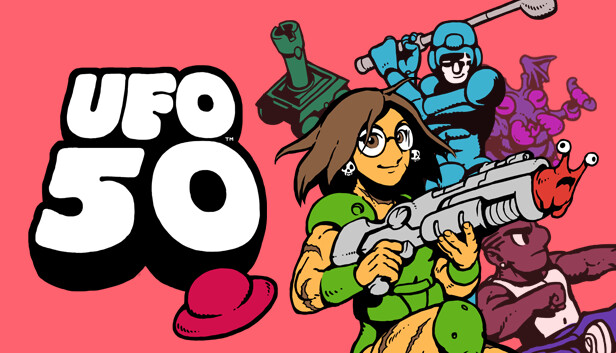
10. Though I did not complete over half of the fifty ‘retro’ style arcade/console type games included in the UFO 50 package there were enough of them that’d been inspired, memorable, or just damned fun that I spent at least thirty or so hours pecking around the arcade on offer. From dungeon crawlers and point-and-click adventure games to metroidvanias and even some decent tower defense… this format allows for huge variety and consistently clever arcade-to-console era inspired design.
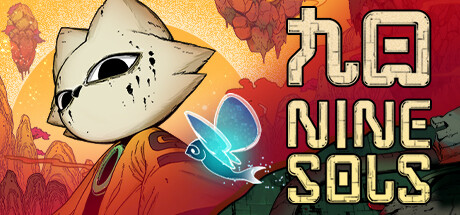
9. While it might be true that “taopunk” metroidvania Nine Sols isn’t exactly as perfectionist as some of the more “recent” greats a la Hollow Knight it does however one-up the often stiff and stifled platforming of games like Blasphemous while still offering a brutal enough challenge for those willing to wander and explore. There are many chaotic moments delivered upon (nothing to justify a Sekiro comparison…) but the game never assaulted me with nonsense for the sake of a cheap kill. I’d had fun with the parry/deflect part of combat simply because I’d played the most recent Prince of Persia game beforehand, it isn’t my preference though it was forgiving enough. Not an amazing game but definitely a good one worth seeing through once, even if the art style looks too zen-anime for you or whatever.
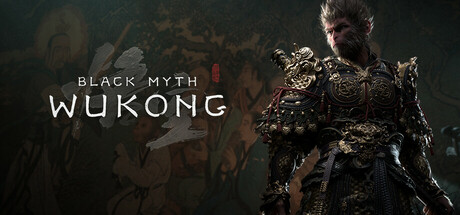
8. The combat options are too limited in Black Myth: Wukong, invisible walls are a plague to the realism they’ve rendered, and the story it tells is damned near impossible to decipher without some reasonable patience. While I appreciated that the combat options and skill trees allowed for plentiful experimentation there is certainly a “skill point intensive” path which allows for the game to reward sticking with its repetitive move-set and basic skills. Resigned to respec skill points to adapt to each unique situation and seeing at least thirty hours more of the game ahead of me, I took -forever- to finish this game and went for the easiest ending. As much as I did like the intensity of some of the combat none of it ultimately feels all that great and I stopped caring about the story before I’d even gotten to act three.
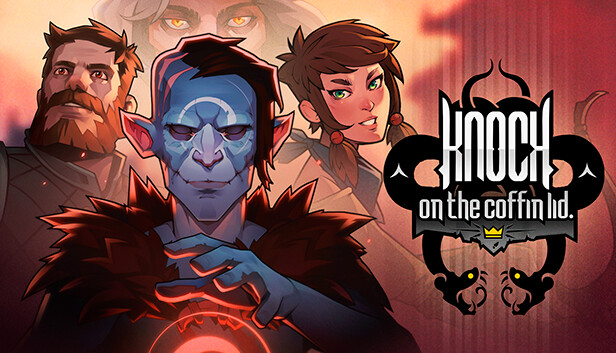
7. Knock on the Coffin Lid blends a variety of modern indie video game microclimates into a concept which reads brilliantly on paper: A story-based roguelite deckbuilding game which emphasizes choice, a choose-your-own adventure which lets you play around with gear and various builds while recruiting characters. If you’ve worn out Slay the Spire and Darkest Dungeon but want something which marks progress with story beats, characters, and multiple potential outcomes for your exploration this is the only decent quality game of this type I’d recommend.
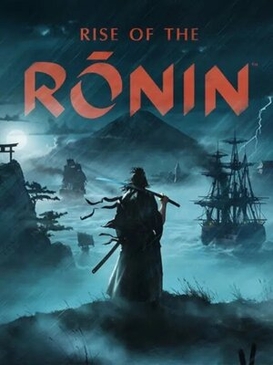
6. As we add to the year-over-year iteration of games created using what appears to be the Nioh 2 engine we get the far underrated open world of Rise of the Rōnin. Yes, the enemy variety isn’t great and the tasks are repetitive in the same way they are in recent Assassin’s Creed games but if you don’t really care about all that and just need a sword slinging open world game to veg out to, which also offers a nice learning curve, this game is nearly as engaging as say, Ghost of Tsushima but with zero of the production values or engaging characters. It wasn’t anything new, wasn’t that great, but I still had a great time kicking its ass.
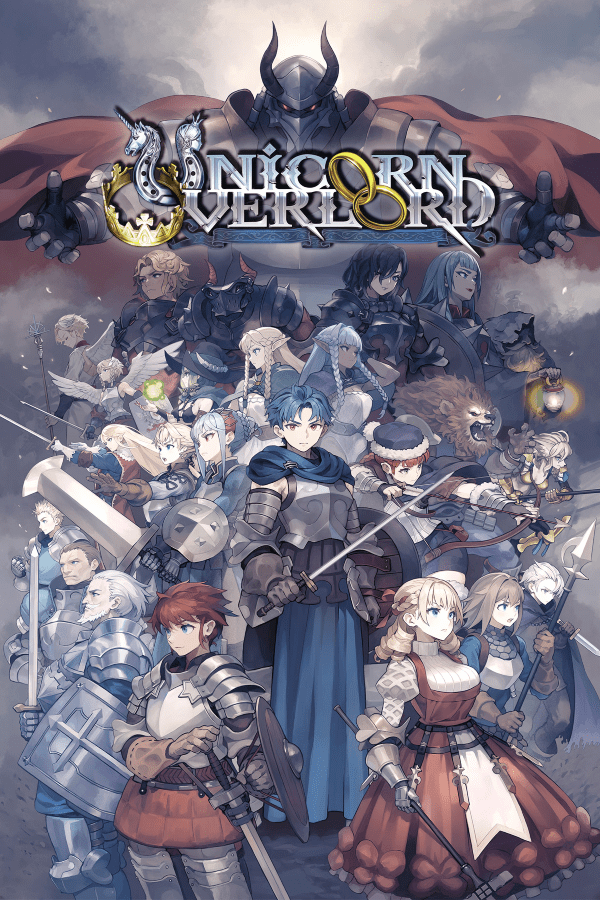
5. There are some semi-automated things happening under the hood throughout the meta-strategy game that is Unicorn Overlord but it is still ultimately a turn-based strategy RPG in practice, you’re either into anime battle/Shining Force kinda gear or not. Vanillaware‘s slightly less complex follow-up to the still brutally underrated 13 Sentinels: Aegis Rim yet has myriad customization options, some which matter more than others, which offer some menu-based business to distract from what are essentially design options meant to translate to mobile without too much of a conceptual struggle. Fighting armies in auto-battled feuds doesn’t make for a very exciting multiplayer experience but I’d found the single player campaign of this game reminded me why I like this developer so much and how much I appreciate the novelty they introduce into each game they create.
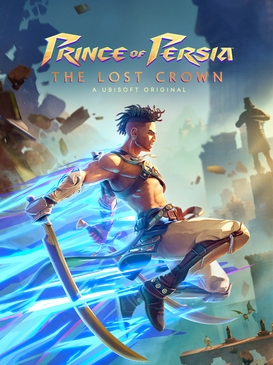
4. Despite all of the hype created by the early-year release of Prince of Persia: The Lost Crown I’d found the opening story and the main characters so deeply uninteresting that I’d barely touched the tutorial areas until months later. As it turns out the story is nothing all that deep or interesting but most of the game is spent wandering through generally clever areas which present different mechanical challenges in terms of combat and platforming, combat is very deliberate and doesn’t really allow button mashing. I appreciated the Metroid: Dread level of traversal and the general mechanics of the game allowing you to tune the difficulty and still see everything. Much like Guacamelee! there are parts of this game I’m not sure I want to repeat due to the complexity of the quick-twitch mechanics, you’ll know what I’m talking about when you play it and hit the later game areas.
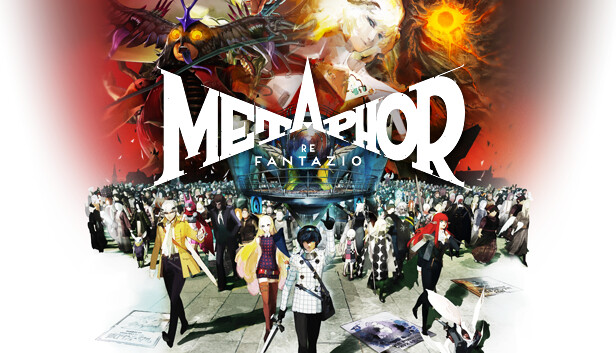
3. It surprises me as much as anyone else that I’d put so many Japanese games on this list considering how heavily weighted last year’s list was toward PC strategy games and high fantasy. Metaphor: ReFantazio is masterful in many of the ways Persona 5 was, every moment of the game is eye-popping with color and action, every detail of the story and the overall characterization of the game is pretty flawless compared to any peers, and the turn-based battles manage to retain their charm without running out of options to give the player. The story and presentation are also basically convoluted anime with some wildly entertaining grandstanding being the core of its heavily politico-dipped intrigue. As whacky as it might seem in previews, and as long as the game is, this one was absolutely worth jetting through for the story though I’m not sure I’d ever play through it more than once.
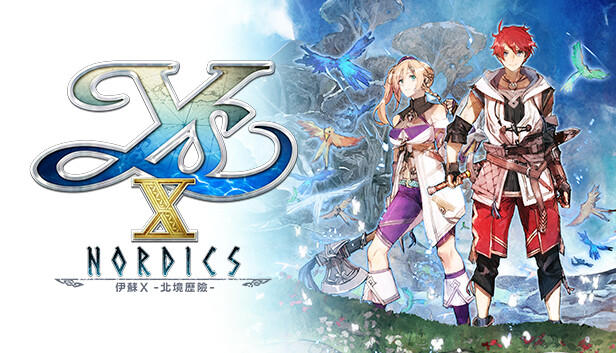
2. The hype around Ys X: Nordics for many centered the promise of an Ys game that was bigger, more sprawling and action-oriented than Ys IX: Monstrum Nox as they’d suggested the duo of this tale would be mobile in unexpected ways. I was mostly interested in larger areas, less blocky environments and better music which the series is known for. I didn’t get everything I wanted but exploration and a fun, easy enough adventure was the expected result either way and this was a good one. This remains one of my favorite series for its overall character and not necessarily the gameplay, each game has a wild sense of place and traversing the unknown is fun but the combat is simple and offers its own simpler version of the duo system. This one is high on the list this year primarily because I would be happy to just replay the whole thing again, I enjoyed the simplicity of the (pretty) dated action RPG mechanics and quick traversal enough to roll through it again.

1. After many years of waiting, struggling through the first game and its permutations again, and still having this official sequel delayed for a year longer S.T.A.L.K.E.R. 2: Heart of Chornobyl is here and… it basically just offers more of the same with better graphics. This game is enormous, probably the biggest open world I touched this year and it is a gift that keeps on giving in terms of picking this game up for ~1-2 hours a night, doing a mission or two and feeling some light amount of progress. There are some quality of life upgrades here as well as some difficulty options that make the game slightly less unforgiving but don’t expect this series to have lost its janky, fucked up and very focused gameplay loop. As was the case with most of my favorite single player games this year this was a repetitive but challenging experience that rewarded exploration more often than not. It is also probably the most I’ve played a game in terms of sheer hours since Elden Ring.

Help Support Grizzly Butts’ goals with a donation:
Please consider donating directly to site costs and project funding using PayPal.
$1.00
Make a one-time donation
Make a monthly donation
Make a yearly donation
Choose an amount
Or enter a custom amount
Your contribution is appreciated.
Your contribution is appreciated.
Your contribution is appreciated.
DonateDonate monthlyDonate yearly mystificationzine.com