
BACKLOG is a long-running yet increasingly infrequent casual video game blog feature which finds me checking in on progress through my extensive backlog of video games, old and new. Beyond updating my progress in completing said games I’ll note small achievements, write short reviews and there may be some discussion on first impressions on upcoming games. These posts have nothing, or at least very little to do with music and there is no attempt to foster debate within. If you want your video game or music reviewed: grizzlybutts@hotmail.com
THE NEXT NOT-WORST YEAR – PT. III
If you jet back in time to 2018-2019 you might recall just how much fun I’d been having with video games big and small. It wasn’t that the games were particularly good but that I was jamming through them, eager to pick up a controller for four hours every night and junk out on whatever was up that month. What happened in early 2020? Pandemia and a wash of broken and incomplete experiences, I began to feel exploited as someone who’d pre-order games only to find ’em unfinished or broken. Nioh 2 was minor issue but a slippery slope to contend with, a big honking 120+ hour mound of average that ended up being an alright enough time. Big open world games that take a hundred hours weren’t the problem: Grappling with giga broken Cyberpunk 2077 wasn’t such a bummer, Ghosts of Tsushima was incredible, and my weird addiction to Assassin’s Creed didn’t make too deep a dent in my noggin but around the time the choice to trek back in time and enjoy “older” games like Ys VIII: Lacrimosa of Dana and Risen 3: Titan Lords helped me to realize I was no longer sure what I wanted from a -new- gameplay experience after three decades of playing ’em. I bought a bunch of strategy RPGs (Pillars of Eternity I & II, Divinity: Original Sin I & II, Wasteland 3, et al.), more metroidvanias (Chasm, Nine Years of Shadows, Moonscars, RoLW: Deedlit), more open world games and I failed to immerse and commit. With too many games to play the choice where to spend my time began to cause a… paralysis of interest. A glutton’s disease of abundance which I am not complaining about in earnest.
You might’ve noticed, ha, that I haven’t liked much of what I’ve played in the last two years beyond Elden Ring and that was such a thorough exploration I’m not sure I ever need to go back to it. In 2023 thus far: Atomic Heart had some semblance of a unique immersive sim yet the experience and narrative felt incomplete, Wo Long: Fallen Dynasty was basically a Nioh 2 reskin with a jump button, Darkest Dungeon II was an outright failure in my mind that made runs simpler yet longer and far less fun, Atlas Fallen is a terrible game straight up, and it seems anytime I pick up a larger budget or bigger name video game this year it ends up being mediocre, broken, or incomplete. If the standards are lowering, why are the prices going up? The nail in the coffin for this summer? Diablo IV, but we’ll get to that subject soon enough. [Spoilers, it’d take Baldur’s Gate III and Blasphemous II to redeem my year in video games thus far.]
Some of the most fun I’ve had in 2023 has been with games that are smaller in scope and heavily stylized. The Wario World-alike Pizza Tower was basically a meme yet I’d found it to be far more polished and fun than expected. I could say the same for Warhammer-themed retro FPS Boltgun, a simple “boomer shooter” deal that has a shareware era Doom/Duke Nukem 3D feeling to it. As a pure diversion the deeper grind of Roman colosseum fighter simulator We Who Are About to Die with its wild physics, renown systems/economy, and addictive combat is not only not exploitative of the player but has thus far been fun to try and master. Small, perhaps “mediocre” or niche games have simply been ten times as fun as big budget lowest common denominator slogs which demand all of my time and provide nothing of value in return. Rather than spend any more time complaining about exploitative games (beyond the Diablo IV deal today) I’ve finally made the decision to never pre-order and end the conversation with myself and find great shit to talk about instead.
Remaining games to play/finish before the end of 2023 include:
- Final Fantasy XIV (June 22nd, Playstation 5) — 50%
- Blasphemous II (August 24th, PC) — 30%
- Sea of Stars (August 29th, Playstation 5) — 15%
- Baldur’s Gate III (September 6th, Playstation 5) — ~20 hours.
- Lies of P (September 19th, PC) — ~6 hours.
I’m basically picking away at each game depending where I’m sitting any given evening. Otherwise I am tentatively interested in the remake of Star Ocean: The Second Story R (November 2nd, Playstation 5). The Cyberpunk 2077 expansion Phantom Liberty is also a given. The first two hours of Starfield (September 6th, PC) were so unmercifully boring that I decided to wait until it has been patched, upgraded, gotten DLC, and finished only then will I give it a single playthrough. I’ve decided to skip The Lords of the Fallen (2023), and instead wait and see how Banishers: Ghosts of New Eden and Ys X: Nordics turn out. Bear with me here, I haven’t updated the Backlog for nearly a full year, this’ll be a long one.
LIES OF P (NeoWiz, 2023)
Nobody would blame you for thinking this game was going to be disappointing shite, really the scorecard for wannabe Dark Souls cloneage is a bar set low and a pool without much depth or innovation. This one is a contender… and I mean for best game of the year if you can look past some raw difficulty spikes and the strange choice of setting. The big deal, the hype that Lies of P brings to the table is primarily that it plays like and frequently pays homage to Bloodborne (2014) though its world uses the fable of The Adventures of Pinocchio (1883) as its world building and general surrealistic device, setting the realm of puppets-gone-horror automatons a little bit too close to the underrated Steelrising (2022) to start. Of course this is a much larger and more involved game, about ~2-3 times the amount of average playtime, with much bigger maze-like areas which only get longer and more dangerous as you progress. While I was initially put off by the whole idea of yet another souls-like imitation which does nothing interesting of its own by the time I’d whipped apart the ass of the first boss and completed the tutorial I had that anxietous, adrenaline-kicked feeling I’d really not felt since, well, Bloodborne? The hooks were in and I felt like I was wasting time not playing the game. You know you’re in for it when you’re looking up weapon options, missable shit and builds on your phone when away from the computer.
For now I’ll give little more than a first impression since I’m still seeing new things 5-6 hours into the game. The early game difficulty is expected, this game is actually pretty tough and hard to cheese. Getting “lucky” and beating a boss by brute force kind of sucks if you want to keep up with the game’s curve. Though I did put to use the summon feature to help beat the first few bosses you’re better off toughing it out and learning, or simply grinding out levels and gear upgrades, to progress past tough bosses. Learning and perfecting the mechanics won’t necessarily outpace just how often Lies of P verges on unfair as it gives enemies the advantage of speed, surprise, numbers, unlimited stamina, input reading etc. but this is the nature of video games in this style which’ve taken on following up/amplifying Elden Ring‘s use of delayed and unpredictable combat AI.
The experience has not only run perfectly on moderate settings but has presented entirely bug free and glitch lite so far, the game feels finished and could only use some light balancing of enemy AI. It feels like these developers sat down with a huge list of features and changes they’d wanted to inherit from the Dark Souls-and beyond era of From Software‘s action RPG style and didn’t publish the game until every single feature was implemented, worked, and (mostly) made sense. Heavily customizable weapons with mix-and-match handle + blade variations is their own gimmick but there are loads of other systems to engage with and upgrade, everything from armor plating to a timed release money tree (?) and they’ve even got the Wondrous Physick Flask from Elden Ring in here (the cube) for no good reason, just another option to keep things interesting. The gameplay does sometimes feel like a cheapo wreck like Code Vein with expansive yet mostly empty regions but the enemies are highly varied and always present a reasonable challenge followed by a reasonable reward. Only big issue is that enemies often have no poise reduction and status effects are incredibly powerful to start. Anyhow, will review it once I’ve beaten it.


DIABLO IV (Blizzard Ent., 2023)
For most people in the 30-45 age range Diablo (1997) was one of the first “casual” action RPG games they’d played that’d also included a multi-player mode. It’d been memorable for its dark high fantasy setting and the simple loop of its gameplay: Clear a level on the dungeon (fight monsters), collect loot, identify and equip the good stuff, buy better stuff and go back down into the dungeon. At the time it was a sharp in presentation and a simple enough gameplay experience compared to what Ultima Online (1997) was doing nearby, when I was a kid everyone made the same joke about how simple its combat was: *spams LMB* since it’d been relatively mindless compared to what else was around at the time. That first game was such a success that Diablo II (2000) was a true sequel of the highest order, emphasizing multi-player and hardcore modes within a game that felt bigger than most MMORPGs of the time and hey, the online component was pretty damned viable ensuring many of my friends were still playing as far out as 2004-2005. Few games were considered so community enriched at the time beyond the Counter Strike obsessives of the era; I’ve no personal love or deep nostalgia for these games beyond buying and playing through them back in the day, at least once in terms of the single player campaign and plenty of co-op online when Diablo II: Resurrected released. — Anyhow, the main reason I bought Diablo IV was nostalgia for the gameplay loop these games had provided in each of the three main series entries and given my experiences in the past I naively assumed two things [1] The game’s online-only policy would not interfere with the gameplay. [2] The large game world and seamless co-op would incentivize a hundred+ hours of exploration, it would be my kind of game. Unfortunately these were delusions and this fourth game might actually end up being worse than the much maligned, broken-at-launch third entry in the series.

Creators milked the hype, the game milked the consumer. — The only earnest excitement I saw in the walk-up to the release of the fourth main game in the Diablo franchise came from “content” creators online who generally make their living talking about games of this type. Once it came time to mine the game for content, divulge its systems, and raid each of the (many) early patch notes for talking points the experience had been so scoured for interest, so demystified of its innards that it became obvious that Diablo IV wasn’t going to be a very deep or particularly long-lasting game compared to the nostalgic cloneage nearby, such as the decade long success of games-as-a-service Diablo II clone Path of Exile; The biggest talking points that people have made about this game are all pretty valid: [1] Blizzard is no longer the same company they were when they made the first two Diablo games and their business model is now even more predatory than it was with Diablo III (2012), which now seems entirely tame in hindsight. [2] All of the changes that Diablo IV has undergone now that the first “season” of content has released were tuned so that the player grinds longer, gets fewer valuable drops, and spends more time engaged for the sake of prompting microtransactions. This includes lowering the impact of player attacks, and rigging level scaling with enemies. [3] “Hardcore” players, still desperate to believe Diablo was ever about challenging gameplay (ha!) have especially suffered by the hand of the always-online nature of the game due to zero player protection from disconnects. The performance of the game suffers due to its always online requirement, effectively making some elements of co-op unplayable until fixed. These are all big problems by most standards but none of them hit me quite as hard as the general structure of the game.
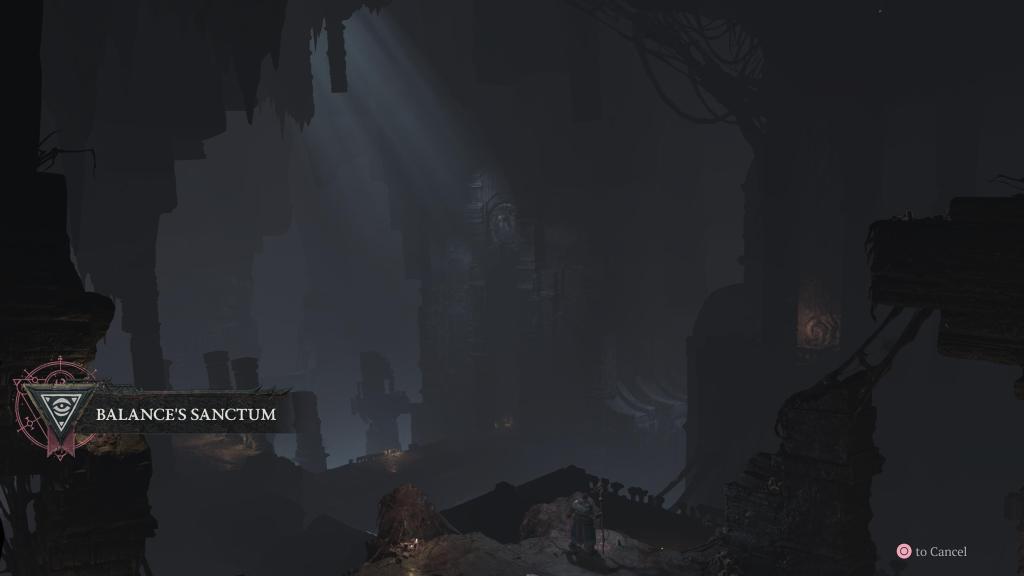
Without progression that encourages exploration we’ve no reason to exist in this world. — In the terminally online rush to have literally -anything- to say about Diablo IV the actual experience of playing the game feels lost in the conversation, or, rushed to the table. The Diablo series was always most fun when it was broken by luck, the chance that loot would gave the advantage and surprise the player with power. They were never “hard” games outside of preparing for and grinding out gear and weapons that’d help you survive sudden spikes in difficulty or manage giant mobs of enemies. So, the old style of progression would leave the astute player who knew how to spend their resources formulating a build which was effective 1-on-1 with a boss as well as against crowds of rushing-in enemies, a balance of AOE and DPS which could potentially rely on a damage type, tank ability, etc. the fantasy was that you were a one man army. In Diablo IV you are a hamster on a wheel, making a part-time job out of grinding content in an open-world which seems to have been designed as an MMORPG but chipped down to a single maze-like map.
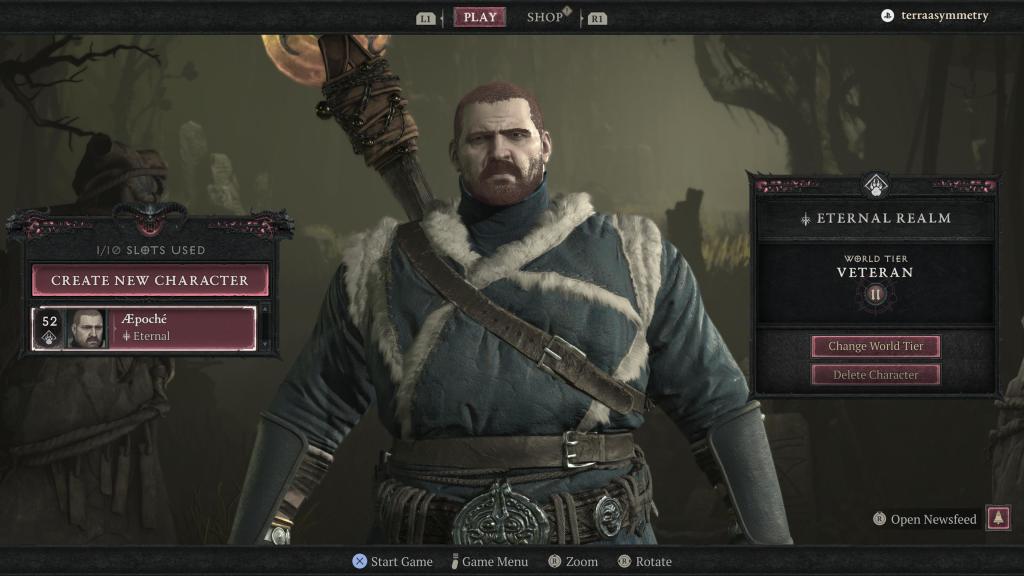
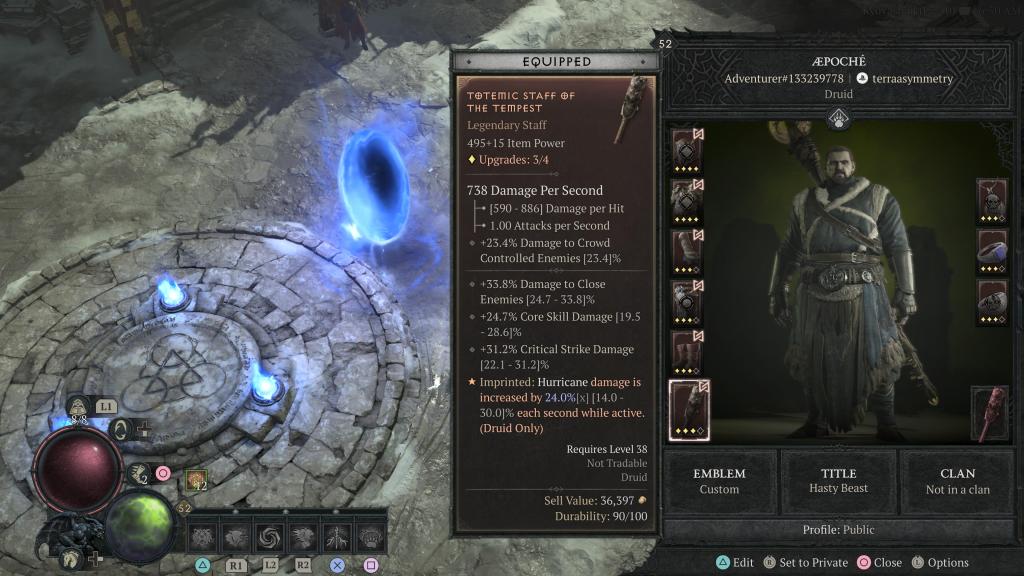
Level scaling creates a false sense of challenge, you are receiving a mandatory stats-based handicap which has nothing to do with skill. — Of course, I chose the Druid class to start (yeah, I know…) by default the DPS on this class was kneecapped yet with self-healing and AOE spells it all felt possible until I realized the ratio of level-scaling for both loot and enemies were forcing me to tread water, reach a plateau and sit there. At character level 30 I was fighting level 32 enemies who were dropping level 25 loot. Upon realizing this, having spent too many hours doing side quests and adventuring I checked my progress: At level 35 I finished the First Act of the story and read online that the cap for World Tier 1 difficulty is character level 50, character progression was technically gated until I beat the game and raised the difficulty to World Tier 2. So, why explore the map and do side quests when my progress wouldn’t be banked? This was a conundrum because I wanted to finish the world map and then beat the game but doing things in that order would have me fighting a much harder version of the final bosses/areas with much lower tier gear. If I chose to tough it out and finish the map (which turned out to not be possible, anyhow) then the late game wouldn’t involve questing but doing Nightmare dungeons and Helltide events which are emergent events (grinding, repeatable) only available on higher tier worlds. Really?
At level 42 and around 30 hours into my playthrough I was given… a mount? Mounts provide very little extra speed of movement, there is no reason to skip enemy encounters by running past, they get stuck on terrain easily, and the game has reasonable fast travel points littered everywhere. At level 51 I beat the game for the first time as a Druid and swapped my build to focus on Werewolf (Shapeshifting) and Storm (Earth Magic) spells in order to attempt a DPS focused build, even if this was the “meta” for Druid class at the time this failed because on World Tier 3 the difficulty was higher but the loot was slow to arrive and most of it was entirely common for the next five hours of grinding out quests. Loot and the enemies I was fighting had scaled at a crooked ratio so that a new loadout left me underpowered without enough resources to modify it. If I used my old gear/build, well, it was a full magnitude weaker. If I dropped my world tier lower the loot wouldn’t (theoretically) be as good since some types are gated by world tier and I couldn’t do certain events. — At that point Diablo IV had made it clear what it wanted me to do: Grind it out. Yet the game hadn’t given me anything fun or interactive enough to do while grinding since it is still a single player RPG and not an MMORPG. So, what was the incentive to keep going?

Complete the map? Or start a new character? — At level 53 I had a few choices of where to go to pursue side quests but that was for the sake of getting general lore filled out, even if I’d already beaten the game most of the side quests are long fetch quests and a few required short dungeon dives. The most fun activity available at that point are the outpost capture scenarios and larger dungeons but most of these are easily hit during the main campaign and they are limited in number. The other choices left were grinding out the renown in each area 100% to get minor rewards which carry to all characters, grinding out Helltide areas to get better loot, grinding out items which help you customize gear up to the higher levels (caps around 70+) but there isn’t much else to experience unless you’re looking to customize the Paragon board with Nightmare dungeons and higher World Tiers. I think I hit nearby level 55 and began to ask myself, “does this game… want me to stop?” Yeah. So, I stopped.
So, how about that story? — A run through the campaign of Diablo IV should take less than ~30 hours depending on your class, how good you are at putting together a decent build, and resource management. An immortal necromancer (Elias) has freed Lilith who now returns to Sanctuary where this small last bastion of humanity sits tormented, unable to do much more than survive beyond the brutal war between Heaven and Hell. The player intends to follow Lilith‘s trail of destruction back to Hell where she frees Astaroth in exchange for passage to consume the imprisoned power of her father, Mephisto so that she might conquer Hell. Most of the story is spent with horadrim Lorath Nahr as our guide (voiced by the awful gravel-and-snot Yorkshire accented Ralph Ineson, who is also a main companion in Final Fantasy XVI…) as they track Lilith, fight a handful of related boss fights and get to know horadrim wanna-be Neyrelle, a stand-in for Diablo III‘s Leah. The player (seemingly) has a choice to help Mephisto, containing him in a soulstone before we defeat Lilith. A blasé and incomplete thought.
The narrative was intended to read as a chunk of classic tragedy rather than a clear good versus evil point of heroism. Most characters are implied with some self-serving purpose and most are hapless, bruised spirits with survival in mind. Lilth‘s means of getting what she needs are brutal, and her helpers are clearly pure evil but her main goal is to defeat the Prime Evils of Hell, so, what is the goal of our hero and the horadrim? Over the course of the game the hero and his band of fools make a few big moves, cleaning up after Lilith in every case, yet this all lands a bit pointless and small. While this is more of a story than we’ve gotten in any Diablo game it still feels incomplete, a “chapter one” in a story that needed to be three times longer and accomplish much more than a wild goose chase and five or so main boss fights. Fact is they had a big-ass game world to do it in and it seems additional story chapters/expansions will do so. Anyhow, Lilith is the lesser of all evils as a bit of a Lucifer-esque character who granted Sanctuary in the first place, so, what are we fighting for? Uh, evil is bad and… I dunno, kill off thy femme morning star for… better gear?

Is Diablo IV a fun game? — Short answer: “Yes to start, but not for long.“. The balance between different forms of movement, creating builds, and experimenting with gear effects (weak as they are) is initially familiar and fun as dungeons feel new and class-specific quests give the character something fairly personal to achieve until about level 30. Beyond that point everything becomes geared towards folks who are obsessive about seeing the “numbers go up” in terms of gear, level, currency and build specific efficacy. This is fine, really, I have always fundamentally understood and personally enjoyed this even if I don’t have the fortitude for repetition in that level anymore. I understood that I would be considered a “casual” compared to the folks who would play this game for thousands of hours until Path of Exile‘s next season (and sequel) manage to do it all and do it better. Trying out all of the classes, checking out the gory cutscenes, exploring the twisted biomes of the continent, all of that is technically fun until you begin to hit a wall where the numbers are no longer going up in your favor and the content amounts to fetch quests and collect-a-thon searching.
The obvious downside for playing an online only game on a console which operates over a household Wi-Fi connection? Lag, stuttering and a frequently interrupted experience which would hit a point of non-functional single digit framerate as I played through the main campaign solo. Not all of that was the fault of my internet connection since I’d tested running a nearly fifty foot cord from my upstairs modem to my downstairs Playstation 5 and found this only reduced the lag about half of the time, in the early days beyond the launch of the game it was clear that that console specific servers were underperforming in my region. What does this mean for the gameplay? Beyond becoming a slideshow this meant for frequent deaths which could not be avoided. As the weeks went on I noticed some of the lag cleared up and I was able to beat the game in a few story focused sessions. Throughout my completion of the story it never felt like the game ran properly on console.


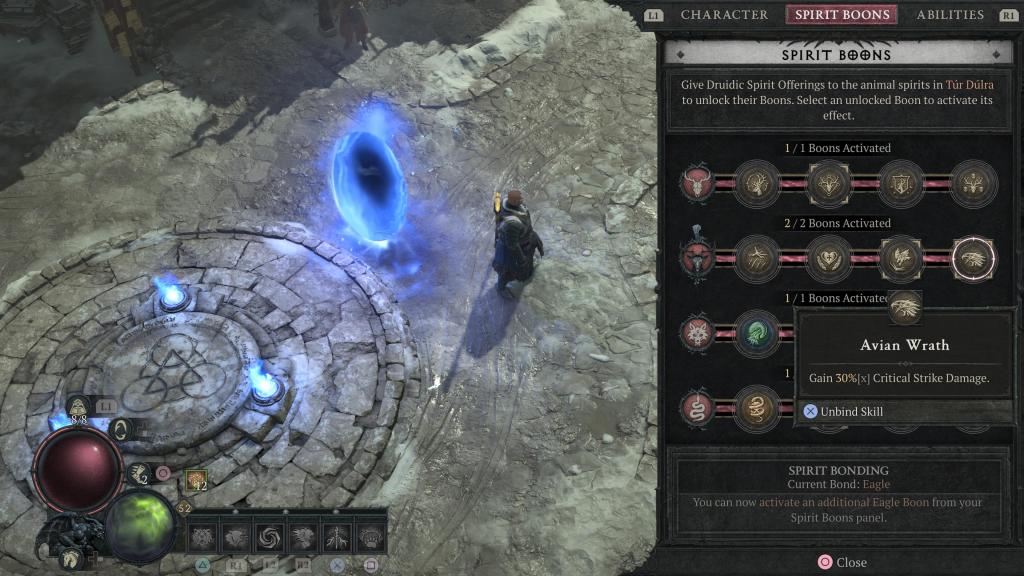
The first seasonal content: Season of the Malignant. — After I’d spent another 20 hours on a Rogue character (playing co-op with a friend) to get back into the game for the first Season the developers released an infamously disastrous balance patch which slowed character progression even more, nerfed classes/builds overall, and seemed intent on extending the length of the seasonal content since there wasn’t much to do in the first place. The goal of the game’s design at this point seems focused on parity, equal mild efficacy for all choices so that one is never overpowered for long unless they find a broken part of the game. The Season of the Malignant features a new character/NPC who introduces an average sized questline which lends plot to a modifier system intended to change weapon and gear crafting/modding. Color coding drops from enemies which can be used to modify gear with the corresponding color of malignant hearts merely adds another level of RNG to gear crafting, this is pointless and frankly pretty annoying in practice. This might’ve provided motivation to keep playing but it turns out they’ve made the hearts unstackable, since they are inherently somewhat unique on some level (?) and much like gems this meant each heart takes up one inventory slot, a big problem with such limited space. The benefits of crafting with these hearts does add a layer of depth (big stat/ability spikes, typically) which the base game didn’t necessarily dole out even on World Tier 3 but it is nonetheless a lukewarm addition to the experience, a system which they’ve had to balance against since. All the the first season of content did was highlight the tedious loot management systems and lack of storage at the start of the game.
Grey times in a shit-brown world. — Diablo IV might make an appealing proposition for folks interested in a dark fantasy action RPG with familiar lore and aesthetics at face value. It is an appealing package which offers endless amounts of somewhat mindless entertainment focused on grinding repetition. If you are looking for a one-of-a-kind narrative experience you will not find a charming or unique entry herein but some good cutscenes for sure. The Diablo zeitgeist has had its also-rans and competitors from the start and this game ultimately feels like it was built like a slot machine for people with obsessive compulsive disorder and less as a serious continuation of the series; Keeping things in perspective, I spent over sixty hours with this game and I did have fun with my Druid character even if I was forced to complete the story sooner than I wanted due to the level scaling and world tier system. There is value there but I’d recommend knowing these parameters as they are set before one jumps into the game knowing full well that this is intended as a “game as a live service” meant specifically for the type of player who follows all seasonal content (Diablo III, Diablo Immortal, etc. all have never stopped their seasonal content). Since I am not one of those “hardcore gamer” folks it was a bit of a waste of money to buy this game at full price ($69.99 USD) and I feel like games like Path of Exile (which is free) have much more to offer to folks looking to spend thousands of hours in an action RPG of this type.

FAR CRY 5 (Ubisoft, 2018)
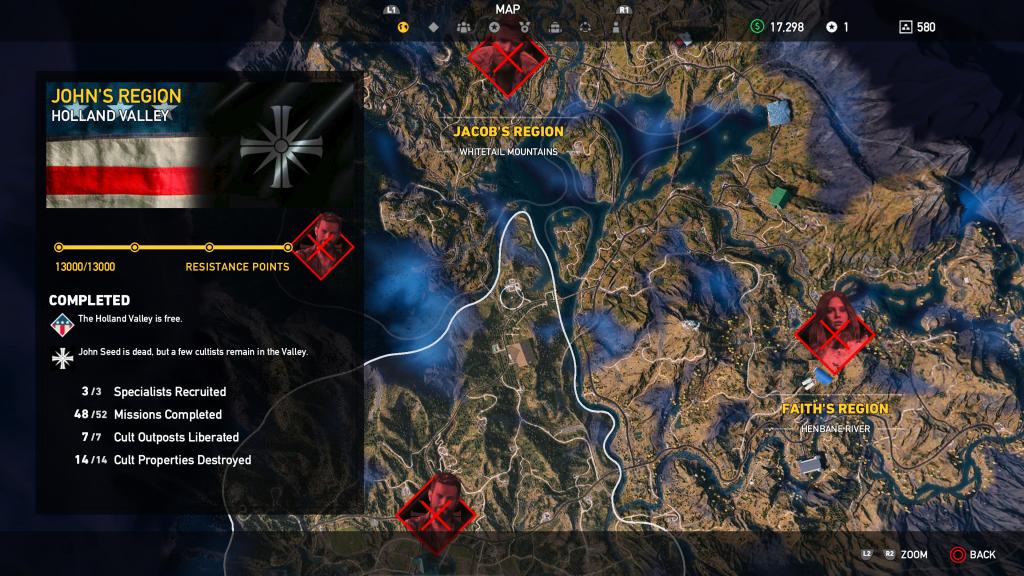
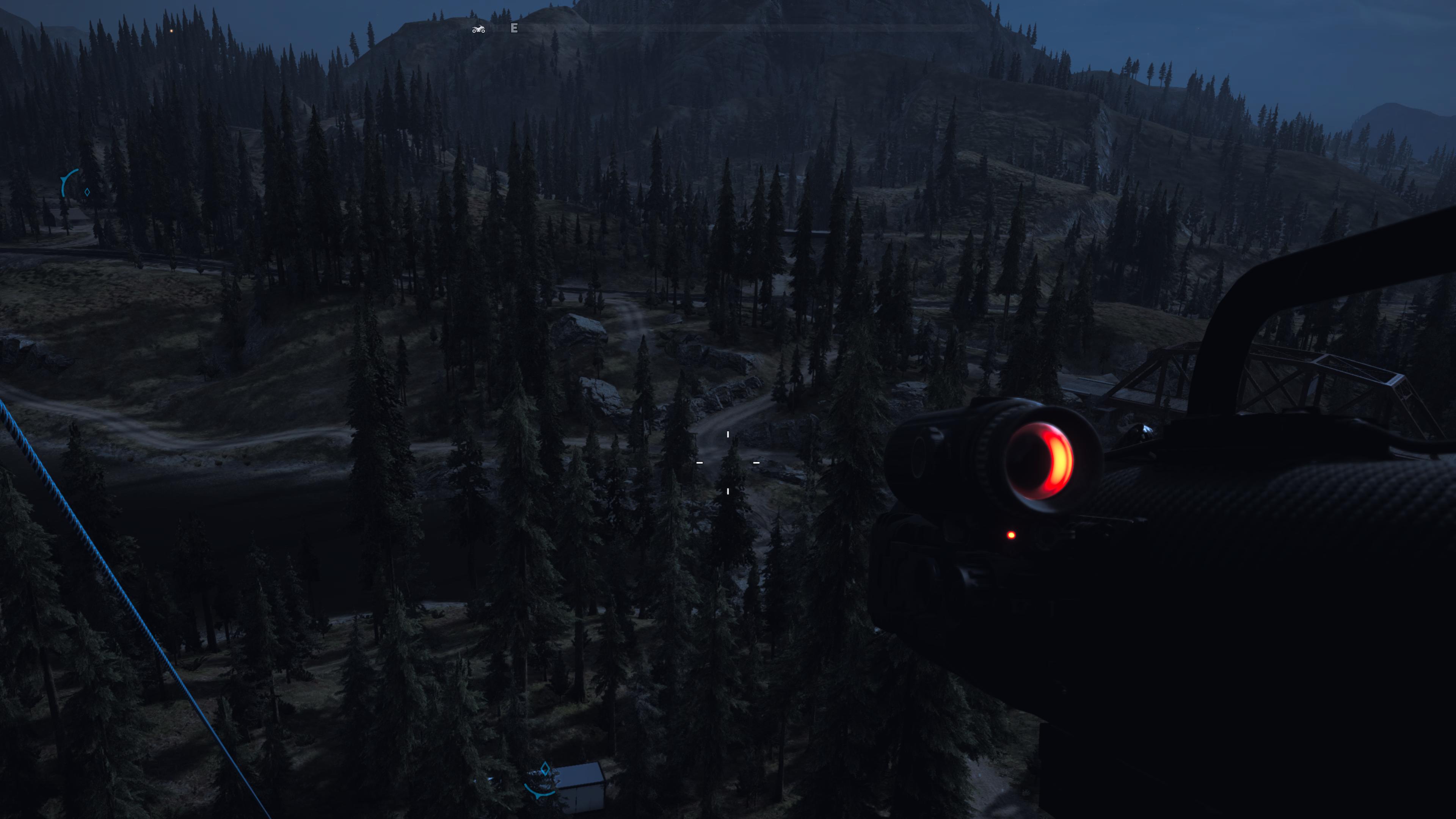
After buying Far Cry 5 back in March of 2018 I played through exactly one third of the game’s map, getting to the point where I would’ve fought the first of four area bosses. As is typical of my experience with Ubisoft‘s open world games I found myself completing all available tasks for at least ~30% of the game to get a feeling for what a completionist run might end up being. You’ll note that I’ve no qualms getting platinum trophies/achievements for enormous 200+ runs of games like Assassin’s Creed: Odyssey and I believe that tendency started with a completionist run of Far Cry 3, a game which is still reasonably fun today and a formula that they’ve repeated in roughly five games since with the latest being Far Cry 6. Now, you might recall back in April of 2018 that I was having fun with how goofy the game was but by the end of May that same year I’d set it aside to play God of War (2018) and Dishonored 2 (2016) and upon returning to it I decided to quit and move on. Why return to the game after so many years? I signed up for Playstation Plus Extra and the game was free, so, since I’d already been playing Dying Light again I decided why not finish both games since I was waiting for Final Fantasy XVI. I suppose I just wanted a simple, stupid open world video game to chip away at.
In most every way this was the Far Cry series most politically “scathing” entry in terms of skewering many aspects of United States conservative, religious and capitalist core in a kind of funny way between the redneck “red state” everything, the generic wide open spaces. Everything about this game appeared to be a reaction to 2015-2016 election cycle and the types of Christian nationalist folks who’d found a voice through misinformation, whataboutisms, and telling knowingly spreading discord and divisive rhetoric as “dirty” political tactics. Far Cry 5 keeps it light in some aspects despite its reliance on the cult and a new novel drug that causes hallucinations and creates first stage suggestibility and second stage raving madness, lunacy. The choice to leave racism/bigotry out of the ideology of the demented apocalyptic cult at the center of the story is pretty tame despite every other aspect of their imitation Christian nationalism. They carve sins in flesh, they cut off chunks of flesh, they torture folks to death, and it only becomes more depraved the longer you stare at it and the cult becomes a viable enemy in both tactic and ideology as a violent band of doomsday prepper freaks and outcasts.
Tales of bliss… — As we get to know the main cast through forced engagement/attempted indoctrination they all certainly appear to be the enemy of the state and you are a sheriff deputy after all, eh? Each of the four territories has a main “deputy” who captures you multiple times when your progress on the map calls for story progression by way of a region specific progress meter filling up and while this would often cut into a quest I’d been in the middle of tailing they were all pretty easy and repetitive. Faith’s Bliss hallucinations were slow and dull, Jacob’s were quick and repetitive and overall the storytelling pulled back otherwise once I’d completed about ~50% of the world tasks. Don’t get me wrong this is probably one of the worst games since Red Dead Redemption in terms of running into colorful characters who talk endlessly and lean into their hillbilly charms far too often but hey, that is part of the Far Cry appeal, they go “summer blockbuster movie stupid” with this one and it is fitting after Far Cry 4 failed to interest…anyone with its villain. The main reason to keep playing the game is for the sake of completing tasks on a map, liberating it, and blowing shit up. There is a stupid, hand-holding comfort gaming feeling to it which I did not mind.

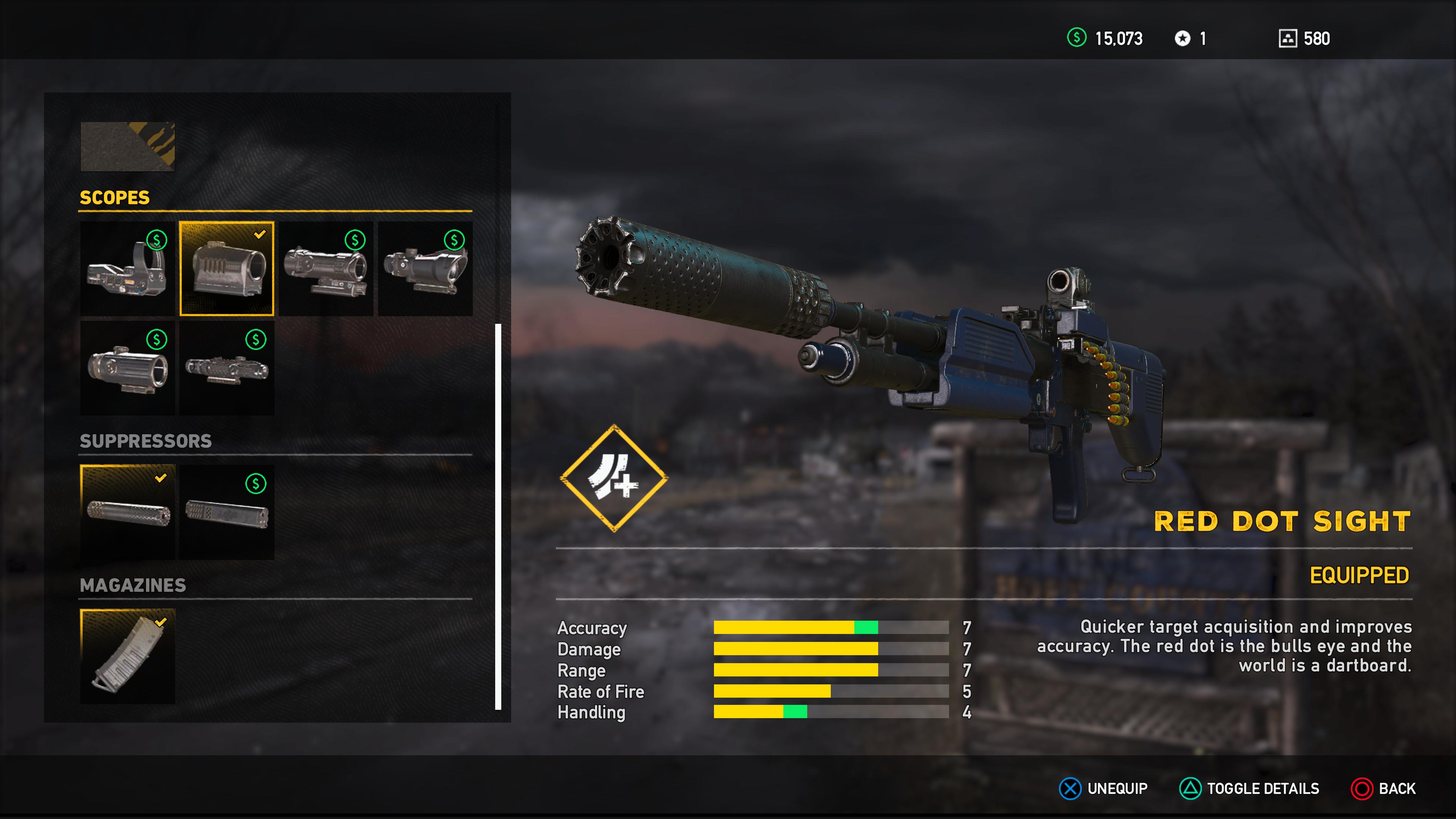
Among the things that’d stood out within my experience most I gotta say convenience was up there, the ease of just getting right into it and getting shit done made it fun and easy to play. Loading was dead quick, companions were entirely useful in every case, weapons were plentiful, the skill tree was whittled down to all effective choices, and the sense of movement provided the player was reasons whether running on foot or paragliding over the whole valley. I may have put the game down years ago after completing the first region but it wasn’t for the sake of any issues of playability, the story was just annoying and there was just too much mindless shit to do on the map. So, I was bored and readily picking it up during the summer meant I could duck into it for 2-3 hours, hit the checklist and duck out and have fun being a ‘Merican killing machine before we watched cringe Dexter reruns or whatever.
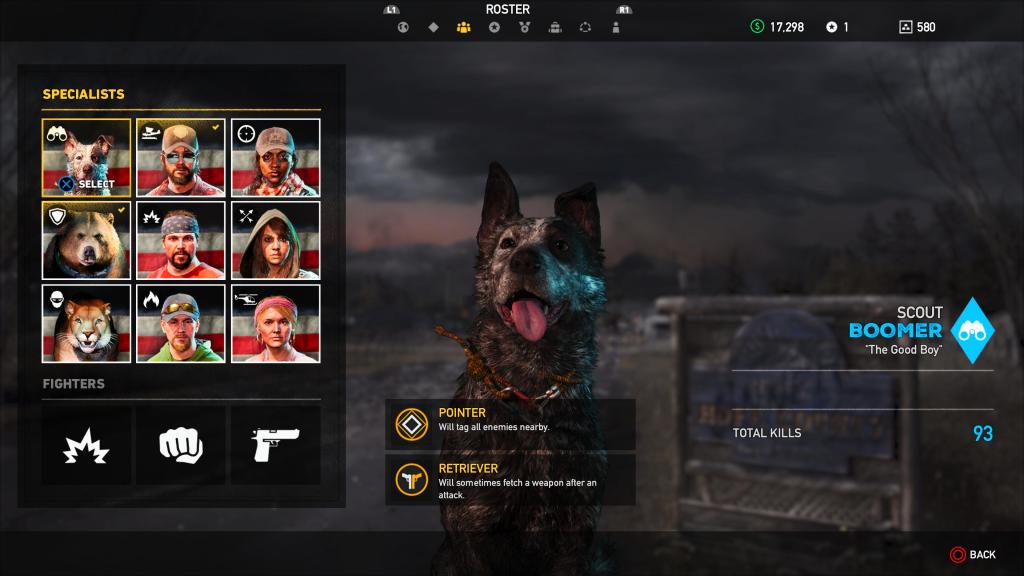
“We were just out hiking in the woods, why are you playing a video game where you’re hiking in the woods?” Look, ok, just… *squeezes temples* // This is the type of game the Backlog is meant for, the sort of game that wasn’t great, or just annoying enough to not finish but once I did just let it happen and drop into it the whole experience was fine. While I won’t go around recommending this game over the third main entry in the series and to be sure Far Cry 6 is probably a better gameplay experience overall, there is a certain feeling of freedom that this game gets right which Ubisoft hasn’t done particularly well in any of the other open-world entries for this series. It feels vast in a different way where the traversal options let you dick around, run rally races, parachute/paraglide, hit the shooting ranges, blow up gas stations, etc. and not have to worry about hitting an invisible wall unless you go too hard up a mountain. Otherwise I’d liked the companion system even if none of them were as good as the dog, since he [1] tracks enemies automatically and [2] doesn’t talk. No big takeaway, I finished it that’s all.

DYING LIGHT (Techland, 2015)
The first game in the Dying Light series follows the point of impact for a not-zombie infection which in typical fashion turns folks into increasing hordes of zombies, tougher enemies, and well… The game isn’t known for its hackneyed story so much as the type of open world gameplay it brought to the table at the time, which admittedly wasn’t unique beyond that it’d worked well enough per its nuanced melee combat and parkour-based traversal. Picking up Dying Light at the time was basically due to recommendations from friends who’d said that it was brutal, serious enough in tone, and effectively adrenaline worthy to start as you race around at night when the true fiends come out. I think I’d just played through Dead Island (2011) for the first time around that time and began to detest the melee combat and the jank of that game so, this was a refreshing enough experience as the tutorial promised skyscraper climbing antics, cool swords, and eventually guns and a grappling hook. The issue wasn’t that the sandbox wasn’t cool or fun to dick around in but that main story followed generic beats of betrayal, offering the player’s actions as the only point of futile compassion in the game’s plot. I played about four hours of this game back in 2015 and quickly dropped it until earlier this year.
Techland loved making this game, you can tell the developers put a lot of care into making every bit of Harran thoughtful and emergent with endless droves of extraneous and connected story content alongside forever shambling hordes of zombies who move slow but hit fairly hard. There is a lot of fun to be had finding an especially big group of them and cutting them all down, clearing a whole city block and watching them trickle back in as you attract screaming elites. I’d obviously had fun with every diversion for the first ~28 hours I’d played the game, enjoying the survival horror elements of the game and the challenge of the nighttime enemies, but once the game diverted me to the second area of the game per story progress (~53% done) I began to feel like the addition of guns and the grappling hook flipped the script a bit too hard, too fast. Pushing past this threshold means prepping myself for a lot more exposition, the end of the main game, and lead-up to The Following.

Technically speaking Dying Light‘s original version was only about 40% of what it would become after The Following (2016) expansion more than doubled the size of the game, added vehicles to the new post-main game map alongside several DLC items which acted as crossovers with the developer’s other games that’d allowed for mostly new weaponry and such. The best of the additions was probably the Hellraid-themed ‘arcade’ levels which were popular enough to spawn their own game series which was promptly shut down soon after. Much like Far Cry 5 the long term support for this game made it so huge that if you get the The Follow – Enhanced Edition (2016) version of the game you are getting upwards of 200 hours worth of gameplay which you should -not- feel guilty about exploiting for the strong craftable weapons early on since your progress in the story and as a character are reliant upon completing tasks and not the power of your breakable weapons. Think of it like, what if… Breath of the Wild just gave you decent weapons to start and assumed you would have more fun for the first 15 hours of the game. Anyhow, it is clear I’ve nothing to say about this game.
Alright, so, too much of a good thing? Eh, too much of a just alright thing and a reminder of a time when gigantic open world games offered too much brain-rotting nonsense to fill and justify a ridiculous amount of space allowed the player. After paying less than 20.00 USD for this very complete edition of the game I can’t complain for the sea of contentment it would bring to press on within the main story, this is technically a reward-per-hour type situation where the empty calories of the experience ought to rightfully sate the mind with light challenges but the difficulty of Dying Light is never so demanding that they’d impede progress. At this point I’m apathetic about the game overall, don’t feel up to taking on more of the same quest types and side content but I will complete the main story once I finish a few other games.


BACKLOG REVISION
First, the next full playthrough I was attempting for the Backlog per The Witcher 2: Assassins of Kings Enhanced Edition (CD Projekt Red, 2011) is not going to happen. Though I now have a new computer that can undoubtedly handle the strange memory leakage and demanding sub-optimal requirements for the game I found that it was consistently reaching for a threshold that might overheat my PC. There is no reasonable explanation for this. After working on several fixes, optimizations, and finding nothing helped after six hours of gameplay I’ve decided the game is not worth potentially frying my setup. I will still be working on doing the DLC for The Witcher 3: The Wild Hunt after so many years but it isn’t a priority anymore. I was hoping to finish all of the books, the TV show, and all of the games then share notes on how they match up and this still might happen but not until I can complete this second game… and somehow get through the books, which are surprisingly dull now that I’m deeper in the series. With that game set aside it is time to dive back into Pillars of Eternity and so far it has been hard to find the time for it, though I am resolute in -not- restarting the campaign a fourth time.
Taking that into account, I’ve added the PC version of Syndicate (2012), a game which has been blacklisted on stores due to copyright issues for the last five years, instead. Second, both Blaster Master Zero 1 & 2 have been acquired, along with both Pathfinder CRPG games released in recent years. Because I would like to focus on long, story-heavy strategic CRPG games over the course of the next year I’ve added several similar games on the Backlog: Pillars of Eternity II: Deadfire, Divinity: Original Sin, and Wasteland 3. I’ve also picked up the first five King’s Field games, Eternal Ring, a real copy of both Phantasy Star IV and the Dreamcast version of Grandia II but I’ll have to test my long-term interest in completing each before adding them to the list. Otherwise, I have re-added Red Dead Redemption 2, Persona 5, Vampire: The Masquerade: Bloodlines, and The Sinking City since I would really like to see each of those games through to the end even if each has their own issues with time sink and jank. I’ve decided to give up on Panzer Dragoon Saga and Shining Force III series for now, Sega Saturn emulation still has issues that cause bugged save files and I’ve an issue where the controls lose their settings each time I play. The replacement is Lufia & the Fortress of Doom an SNES title which didn’t match up to its sequel/prequel (Lufia II: Rise of the Sinistrals is a personal favorite) at the time but one I am motivated to attack for its story. Too many JRPGS?! I agree, the list will change drastically depending how Persona 5 goes.
BACKLOG
- [#1] Pillars of Eternity (Obsidian Entertainment, 2015) PS4
- [#2] Castlevania: Order of Ecclesia (Konami, 2008) NDS
- [#3] Red Dead Redemption 2 (Rockstar Games, 2018) PS4
- [#4] Divinity II: Developer’s Cut (Larian Studios, 2012) PC
- [#5] Persona 5 (Atlus, 2017) PS4
- [#6] Vampire: The Masquerade – Bloodlines (Troika Games, 2004) PC
- [#7] Divinity: Original Sin Ultimate Edition (Larian Studios, 2014) PC
- [#8] Syndicate (Starbreeze, 2012) PC
- [#9] Ys: The Oath in Felghana (Nihon Falcom, 2010) PSP
- [#10] Grandia II (Game Arts, 2000) DC
- [#11] Pillars of Eternity II: Deadfire (Obsidian Entertainment, 2019) PS4
- [#12] Lufia & the Fortress of Doom (Taito, 1993) SNES
- [#13] The Sinking City: Necronomicon Edition (Frogwares, 2019) PS4

<strong>Help Support Grizzly Butts’ goals with a donation:</strong>
Please consider donating directly to site costs and project funding using PayPal.
$1.00
 mystificationzine.com